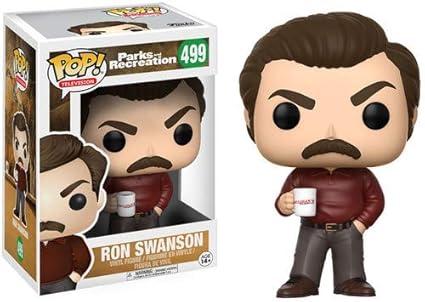
funko pop television
Toys are the most senseless things on earth and, to a great extent, the most essential. No culture is totally without toys; where mass-conveyed and mass-exhibited toys are missing, kids change standard things into diversions, dumbfounds, and imagined associates and adversaries. Toys can be objects of solitary thought and entertainment or, obviously more every now and again, features of social affiliation. In fact, even animals play with toys. pop television
Over the earlier century, toys have transformed into the point of convergence of a colossal industry, the opening wedge for the commoditization of youth, images of social talk, subjects of certified (and not by any stretch of the imagination authentic) award, and a portion of the time even instruments for mental research. pop television
The present toys are freighted with suggestions, a critical number of them far heavier than any toy should need to endure. As researcher and author Brian Sutton-Smith pronounces in his books Toys as Culture and The Ambiguity of Play, toys mean a wide scope of things to a wide scope of people. Right when those suggestions rub confronting each other, they produce warmed discussions: over Barbie's waist size, G.I. Joe's weapons, or the decency of prostitution in Grand Theft Auto: Vice City.
In like manner, toys have ended up being high-stakes toys. They outfit youths with fun and dream while indicating hard-edged social principles; they ensure watchmen genuine peacefulness while bringing the disarray of surely understood customer culture into the home; they produce gigantic advantages for worldwide blends whose promoting working environments assurance to put the child's points of interest first. To this whirlpool of conflicting interests and considerations, mental analysts have incorporated two or three drops of their own.
Over the earlier century, toys have transformed into the point of convergence of a colossal industry, the opening wedge for the commoditization of youth, images of social talk, subjects of certified (and not by any stretch of the imagination authentic) award, and a portion of the time even instruments for mental research. pop television
The present toys are freighted with suggestions, a critical number of them far heavier than any toy should need to endure. As researcher and author Brian Sutton-Smith pronounces in his books Toys as Culture and The Ambiguity of Play, toys mean a wide scope of things to a wide scope of people. Right when those suggestions rub confronting each other, they produce warmed discussions: over Barbie's waist size, G.I. Joe's weapons, or the decency of prostitution in Grand Theft Auto: Vice City.
In like manner, toys have ended up being high-stakes toys. They outfit youths with fun and dream while indicating hard-edged social principles; they ensure watchmen genuine peacefulness while bringing the disarray of surely understood customer culture into the home; they produce gigantic advantages for worldwide blends whose promoting working environments assurance to put the child's points of interest first. To this whirlpool of conflicting interests and considerations, mental analysts have incorporated two or three drops of their own.


Comments
Post a Comment